

 Language
 русский
 中文简体
 Español


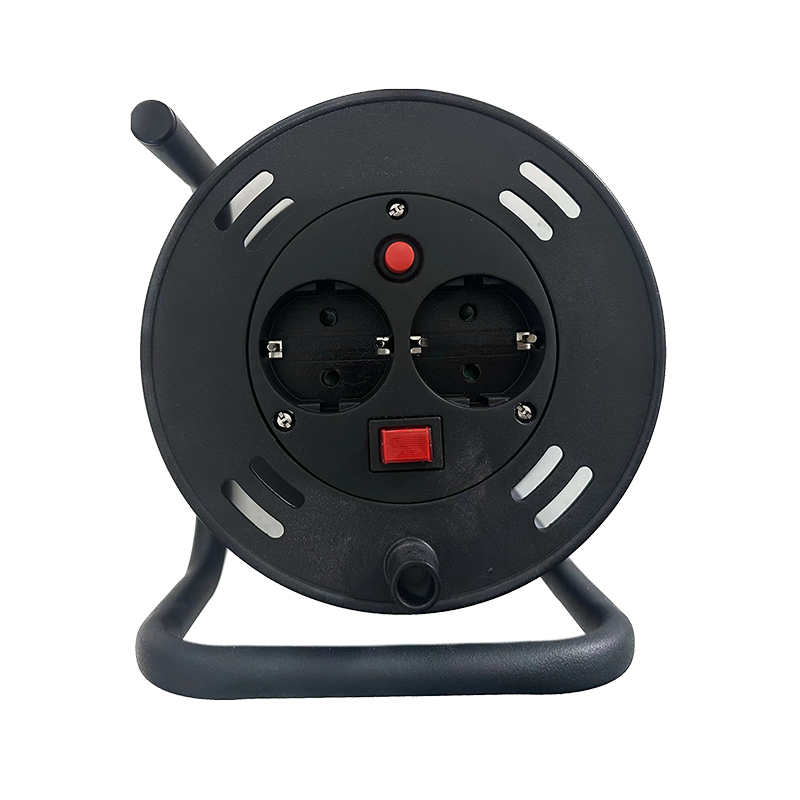
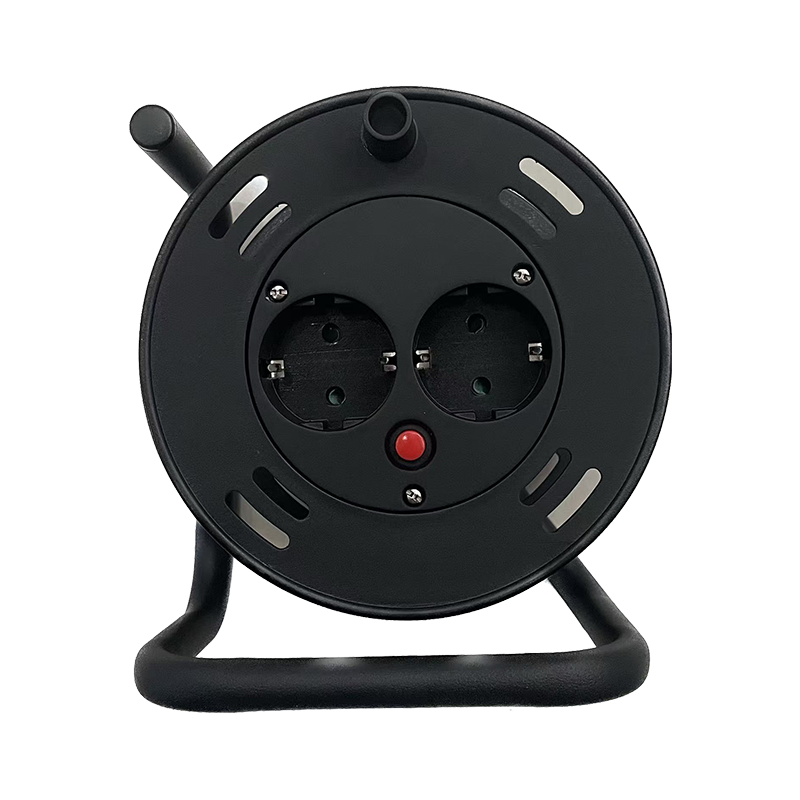
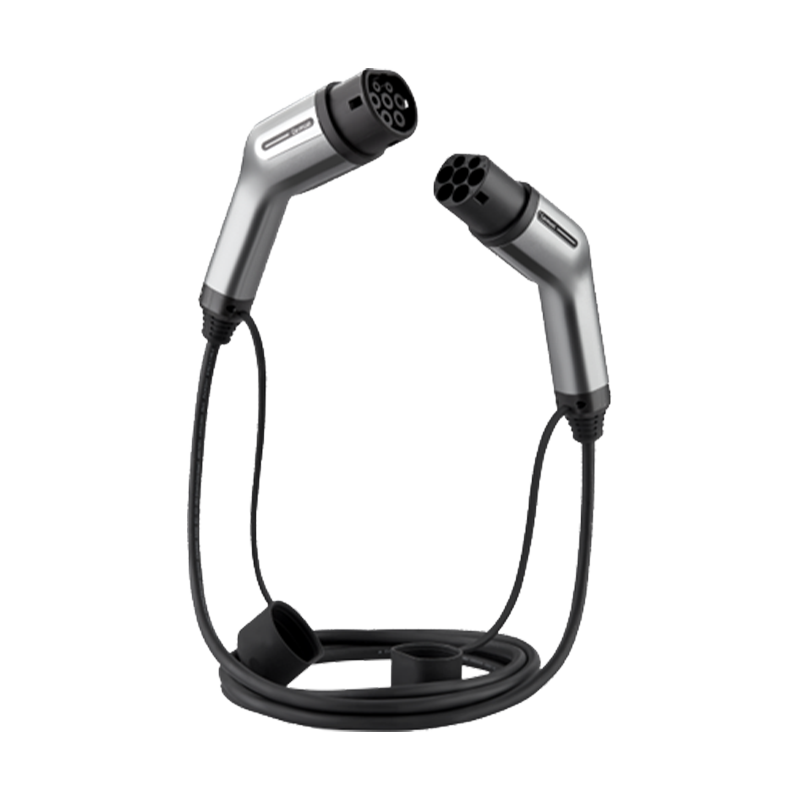
Does the length of the extension cord affect the voltage drop or current carrying capacity
What is voltage drop?
Voltage drop refers to the voltage loss caused by resistance when current passes through a cable. The longer the cable, the greater the resistance, resulting in an increase in the voltage difference between the two ends. When the extension cord length increases, the voltage drop trend becomes more obvious, which may affect the stable operation of the connected device.
Relationship between wire resistance and length
The resistance of the wire is closely related to the conductor material, cross-sectional area and length. Taking copper conductor as an example, its resistivity is 0.0175 Ω·mm²/m. The resistance calculation formula is:
R = ρ × L / A
Where R is the resistance, ρ is the conductor resistivity, L is the cable length, and A is the conductor cross-sectional area. When the extension cord length doubles, the resistance also doubles, and the voltage drop increases linearly.
The actual impact of the increase in extension cord length on voltage
When the extension cord length increases from 3 meters to 30 meters, the voltage drop may increase from less than 1V to more than 5V, especially in the use scenario of high-power equipment (such as power tools and electric heaters). This voltage loss may cause equipment startup failure, motor efficiency reduction or overheating protection triggering.
The impact of current load capacity changing with length
Although the rated current carrying capacity of the extension cord itself will not change due to length, when wiring over long distances, the voltage drops and the current increases to maintain power output, thereby generating higher heat. If the wire diameter is insufficient, the heat cannot be dissipated in time, which will cause the wire to overheat or even melt, posing a serious safety hazard.
Actual case analysis
Take an appliance with a rated voltage of 220V and a power of 2000W as an example, its normal current is about 9.1A. If the total length of the extension cord reaches 50 meters, 1.0mm² copper wire is used, the theoretical resistance is about 1.75Ω, the voltage drop exceeds 15V, and the actual voltage obtained by the device is less than 205V. If the startup current surge is added, it is very easy to trigger power protection or burn the circuit.
Extension cord specification recommendations
According to IEC and GB standards, extension cords over 25 meters should use wires with larger wire diameters. For example, 1.0mm² can be used within 10 meters, 1.5mm² or more should be used for 10-25 meters, and 2.5mm² conductors are recommended for more than 25 meters. It is also recommended to limit the use of extension cords in series to avoid forming a higher resistance path.
Differentiated needs for home and industrial scenarios
Household appliances are usually low-power and have limited sensitivity to voltage drops. However, in industrial environments, high-power equipment requires higher power supply stability, and any slight voltage drop may cause equipment alarms, production stagnation or electrical damage. Therefore, industrial extension cords should pay special attention to wire diameter selection and length control.
Extension cord adaptation issues in low-voltage environments
In a 110V power supply system, a voltage drop of 5V accounts for about 4.5% of the total voltage. Compared with 220V systems, low-voltage systems are more sensitive to voltage drops, so low-voltage countries such as North America have stricter extension cord standards. The wire diameter and length ratio should be accurately calculated to avoid equipment failure due to voltage drop.
Safety hazards and electrical fire risks
The power loss caused by voltage drop is released in the form of heat inside the extension cord. When the cable accumulates too much heat, especially when the reel is not fully unfolded, the insulation layer may age, short-circuit or even catch fire due to poor heat dissipation. Many electrical fire accidents are caused by such improper use of extension cords.