

 Language
 русский
 中文简体
 Español


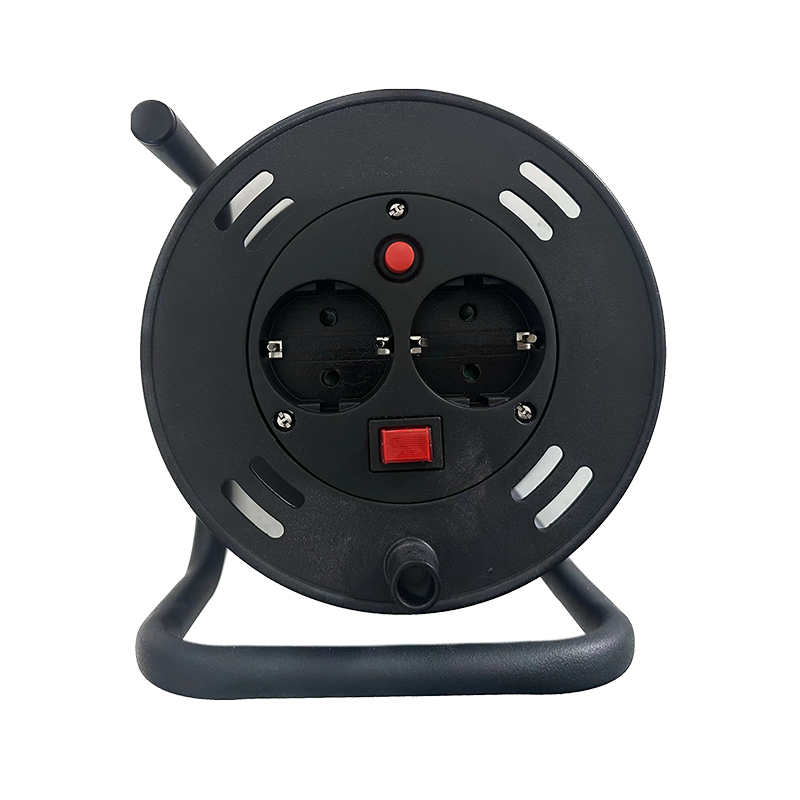
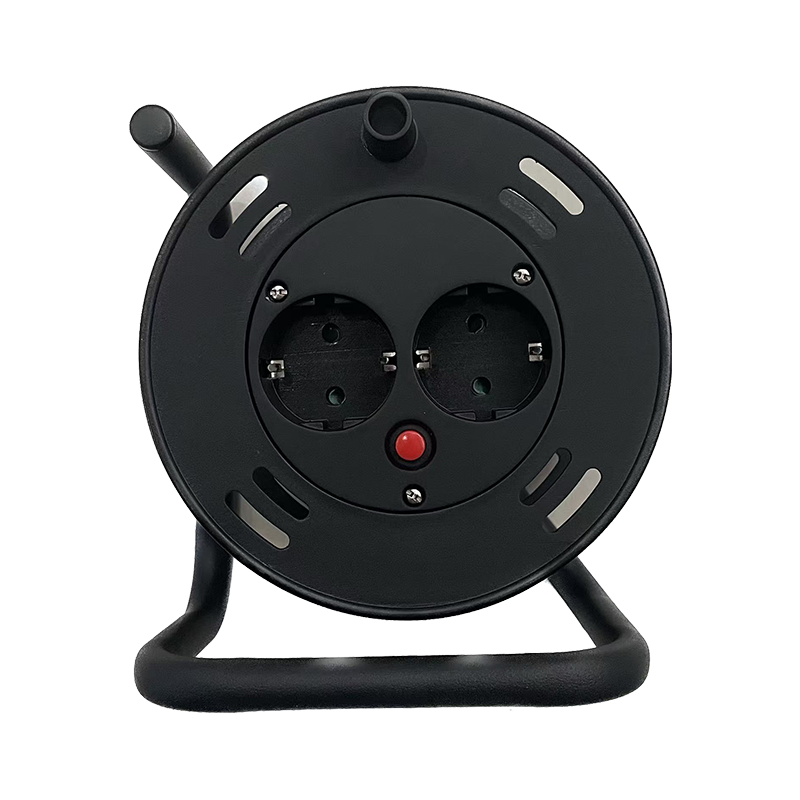
How is the grounding design of the indoor cable reel implemented
The Importance of Grounding Design in Cable Reels
Indoor cable reels are widely used in industrial, commercial, and residential power distribution systems. Their core function is not only to provide flexible power distribution but, more importantly, to ensure safe electricity use. Grounding design plays a crucial role in cable reel construction, effectively preventing electric shock accidents, suppressing electromagnetic interference, and reducing the risk of electrical fires. A sound grounding scheme ensures stable operation over the long term.
Basic Components of a Grounding Path
The grounding system of an indoor cable reel typically consists of three components:
Power Inlet Grounding Terminal: The protective ground wire in the power cable is directly connected to the reel's grounding terminal, ensuring grounding from the source.
Reel Internal Conductive Structure: A metal grounding ring or contact plate is typically designed inside the reel to ensure continuity of the protective ground during cable retraction and unwinding, ensuring no interruption due to rotation.
Casing and Socket Grounding: If the reel casing is made of metal, it must be reliably connected to the ground wire. Furthermore, the ground terminal of the reel's output socket must be aligned with the input ground wire to achieve a complete grounding loop.
Slip Ring and Contact Grounding Technology
The rotating nature of cable reels necessitates reliable slip rings or contacts for grounding design. Slip rings are silver- or gold-plated to reduce contact resistance and ensure a low-impedance ground path. Contact springs are typically made of highly elastic copper alloy to maintain stable pressure during rotation, preventing false connections or intermittent arcing. This design ensures a reliable ground connection regardless of the cable's retraction or extension position.
Grounding Resistance Control
The reel's grounding resistance directly determines its effectiveness in leakage protection and electric shock prevention. The grounding resistance of a cable reel is typically required to be no higher than 0.1Ω to ensure rapid discharge of fault current to the ground. The design reduces overall grounding impedance through multiple contact points, thickening the ground wire cross-section, and optimizing the grounding spring material. High-end products also incorporate internal ground detection modules for real-time monitoring.
Linking Grounding and Overload Protection
Some indoor cable reels are equipped with thermal protectors or overload switches. These protection components must be integrated with the grounding system. When abnormal current flows, grounding provides a low-impedance discharge path, prompting circuit breakers or residual current devices to operate quickly, minimizing electrical hazards. This dual "grounding + protector" design enhances cable reels' reliability in high-load environments.
The Impact of Housing Material on Grounding
If the cable reel uses a metal housing, it must be securely connected to the ground wire to prevent the housing from becoming electrically charged if the insulation is damaged. If the housing is made of highly flame-retardant engineering plastic, although the material itself is insulated, the reel's output socket still requires grounding to ensure the safety of terminal equipment. Grounding solutions vary significantly depending on the housing material, but the core goal is to ensure that there is no risk of electric shock when people touch the reel.
International Standards for Grounding Design
The grounding design of indoor cable reels must comply with multiple international standards, such as:
IEC 60364: Specific grounding methods for low-voltage distribution systems;
EN 61242: Safety requirements for retractable cable reels emphasize ground continuity;
UL 817: The US standard requires reliability testing of cable reel grounding terminals. These standards provide quantitative indicators for a product's grounding performance, mechanical durability, and electrical safety. Manufacturers must pass type testing before entering the market.
Grounding Reliability Testing Methods
Grounding reliability testing is an essential step in production and quality inspection. Common methods include:
Ground resistance testing: This involves injecting a large current to measure the resistance between the ground terminal and the housing or receptacle.
Endurance rotation testing: This tests the ground connection after the cable has been repeatedly retracted and extended tens of thousands of times to verify that the ground connection remains continuous.
Surge current testing: This simulates a sudden short circuit to verify that the ground connection can quickly divert large currents without damage.
These tests ensure stable grounding performance throughout the product's lifecycle.