

 Language
 русский
 中文简体
 Español


How to deal with the problem of weakened or stuck rewinding force of industry cable reel
Analysis of common reasons for weakened rewinding force
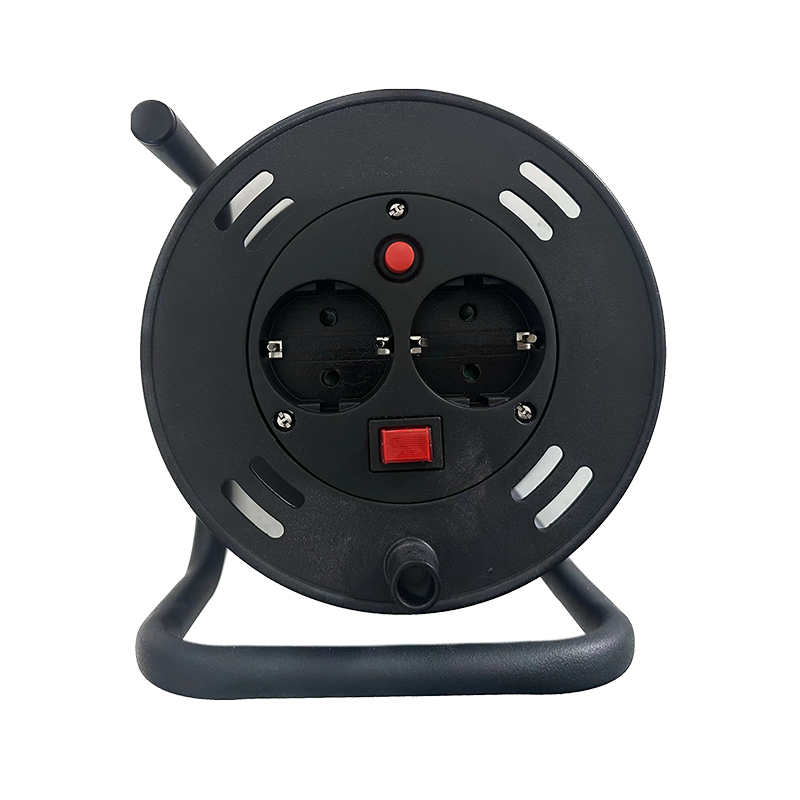
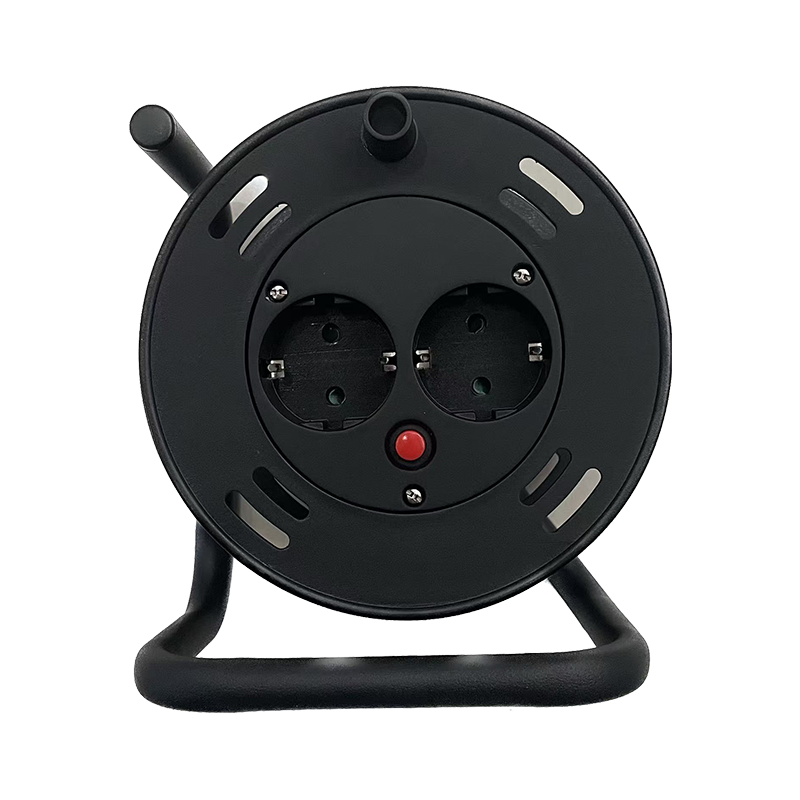
Weakened rewinding force of industrial cable reels is a common equipment failure, which directly affects the efficiency and safety of use. The rewinding force comes from the spring mechanism or electric drive system inside the reel. Spring fatigue, insufficient lubrication and mechanical wear are the main factors leading to weakened rewinding force. During long-term use, the spring will produce permanent deformation due to metal fatigue, and the elasticity will decrease, resulting in the reel being unable to generate sufficient rewinding power. Poor lubrication increases the friction resistance of internal mechanical parts and reduces the spring rewinding efficiency. Wear, deformation or dust accumulation of mechanical parts will also increase resistance, resulting in insufficient rewinding force.
Typical manifestations and effects of rewinding jams
The jamming phenomenon is usually manifested as interruptions, jitters or stops when the cable reel is rewound. There are many reasons for jamming, including damage to the spring structure, wear of the rewinding bearing, failure of the guide device and poor cable winding. Lack of oil or rust on the bearing leads to unsmooth rotation. Deformation of the guide wheel or guide rail may cause the cable to be wound irregularly on the reel, forming an obstruction. Excessive distortion, aging or obstruction of external debris on the cable body can also cause jams. Jamming not only affects the smoothness of operation, but may also cause increased cable wear, equipment damage and even safety accidents.
Inspection and maintenance of spring mechanism
The spring is the core of the reel rewinding force. It is very important to regularly check the spring tension and state. Use professional tools to measure the spring rewinding force to determine whether it meets the factory standard. If the spring is rusted, broken or deformed, it should be replaced immediately. Clean the dust and rust on the surface of the spring, keep the spring lubricated, and it is recommended to use a special anti-rust lubricant. Avoid overload rewinding of the spring and comply with the rated load range. For fatigue springs, it is recommended to establish a regular replacement cycle to prevent sudden failure.
Lubrication and maintenance of mechanical transmission system
The mechanical transmission part inside the reel includes bearings, gears and slide rails. Insufficient lubrication is a common cause of rewind jamming. Grease suitable for industrial environment should be used to keep the lubrication layer uniform and complete. Regularly disassemble and check the wear and deformation of the transmission parts, and replace damaged parts when necessary. Remove dust and impurities accumulated between mechanical parts to prevent increased friction resistance. Use high-quality seals to prevent lubricant loss and extend the lubrication cycle. Maintenance of the electric rewinding reel, motor and gearbox is equally important to ensure stable power output.
Optimization of cable wiring and guide system
Incorrect cable wiring is an important cause of rewinding jam. The cable should maintain a reasonable bending radius to avoid excessive twisting and winding. Install and adjust the guide wheel and guide rail to make the cable evenly and orderly wound on the reel surface. The guide system needs to be repaired or replaced in time if it is worn or deformed to prevent the cable from running off. Some reels are equipped with automatic guide mechanisms, and their accuracy is calibrated regularly to ensure a smooth winding process. Check the cable body regularly to eliminate damage, aging or foreign objects.
Fault diagnosis and treatment of rewinding device
When the rewinding force is weakened or jammed, a systematic diagnosis should be performed first. Check the spring tension, bearing status, lubrication condition, guide device and cable wiring, and check the fault source item by item. For mechanical parts that are severely worn, it is recommended to replace spare parts to avoid hidden dangers caused by temporary repairs. The electric rewinding system needs to check the motor drive and control circuits to eliminate electrical faults. Pay attention to safe operation and power-off protection during maintenance. Perform a load test after repair to ensure that the rewinding performance returns to normal.
The importance of maintenance in preventing failures
Systematic maintenance is the fundamental guarantee to prevent the weakening of rewinding force and jamming. Develop a detailed maintenance plan covering spring inspection, lubrication management, mechanical component inspection and cable status monitoring. Keep the operating environment clean to avoid dust and corrosive substances from corroding the equipment. Train operators to use cable reels correctly to prevent excessive stretching or mechanical impact. Use modern monitoring technologies such as tension sensors and operation monitoring systems to achieve early warning management, detect abnormalities in time, and extend equipment life.