


 Language
 русский
 中文简体
 Español


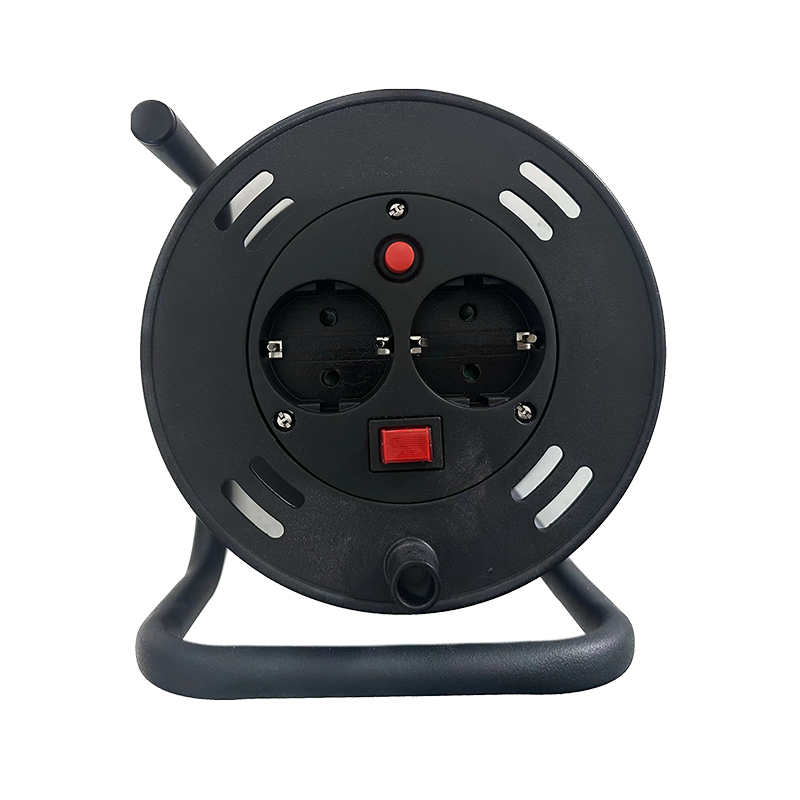


How to properly lay out industrial extension cables at a construction site
On industrial construction sites, extension cords are essential tools for ensuring the proper functioning of equipment. Their safety, efficiency, and longevity are closely related to how the cords are laid out. A well-organized layout not only enhances work efficiency but also helps avoid electrical hazards and minimizes the likelihood of faults and accidents. This article provides a detailed explanation of the correct methods for laying out industrial extension cords on construction sites to ensure electrical safety and optimal performance.
1. Safety Principles for Cable Layout
The primary task of laying out extension cords on a construction site is to ensure the safety of personnel and prevent electrical accidents. Construction environments are often complex, and improper cord layout can lead to equipment failure or electrical accidents. The following guidelines should be followed to ensure safety:
-
Avoid direct exposure to high temperatures or moisture: Extension cords should be kept away from heat sources like furnaces, welding points, or any areas where temperatures may exceed the recommended limit for the cord. In damp environments, use cords with waterproof and moisture-resistant features, and make sure the cord's outer casing is intact.
-
Prevent mechanical damage: Extension cords should not come into contact with sharp objects to avoid abrasion or rupture of the outer sheath, which can lead to short circuits or electrical leakage. During construction, cable trays or protective conduits should be used to reduce the impact of external forces.
-
Prevent cable crushing: Cables should not be subjected to pressure from heavy objects, especially in areas where vehicles or heavy machinery pass through. Avoid running cables under vehicles or heavy equipment, and use warning signs or physical barriers when necessary.
2. Proper Cable Layout
An organized cable layout can significantly improve work efficiency on construction sites and reduce the troubles caused by improper cord placement. The following principles should be adhered to:
-
Avoid crossing cables: Extension cords should be laid out in a way that prevents them from crossing other cables, especially high-voltage cables crossing low-voltage cables, as this can cause electrical interference. Crossing cables can lead to faults and even fires.
-
Regularly check cable routing: During construction, regularly inspect the routing of the cords to ensure they are not disturbed or damaged by changes in the work environment. Cords should preferably be routed along walls, floors, or through cable trays, avoiding free hanging.
-
Avoid sharp bends and excessive tension: Cables should not be bent sharply or stretched excessively during layout, as this can affect the electrical performance and accelerate cable aging. The bending radius of cables should adhere to manufacturer specifications to prevent long-term damage.
3. Cable Height and Support
The height and support system for extension cords play a crucial role in their safety and service life. The following guidelines should be followed when supporting and raising cables:
-
Optimal cable installation height: When running cables along the floor, they should be elevated to a sufficient height to avoid being covered by dirt, liquids, or other contaminants. The height at which cables are installed should depend on the specific construction environment and the type of cable being used to ensure they are not easily impacted or compressed.
-
Use appropriate support structures: The choice of cable support should be based on the cable's diameter, weight, and the work environment. Common support devices include cable trays, cable channels, and cable ladders. These supports can prevent cables from hanging loosely, bending, or falling off, ensuring long-term stability.
-
Avoid excessive cable tension: Cables should not be under too much tension when being laid out. Over-tension can cause stress on the internal conductors or insulation, increasing the risk of cable failure. The layout should allow cables to curve naturally between support points without any strain.
4. Cable Connections and Junctions
Proper handling of cable connections and junctions is essential for ensuring the stability of the electrical connection and reducing the risks of short circuits or current leakage. The following steps should be followed for making safe and secure connections:
-
Ensure secure connections: Cable connections should be made with specialized junction boxes to guarantee a strong, stable connection. Loose connections can lead to poor electrical contact, which may result in overheating, short circuits, or even fires.
-
Waterproof and moisture-resistant junctions: In humid environments, cable junctions are particularly vulnerable to water ingress. Use waterproof tape or sealed junction boxes to protect the connections from moisture and prevent short circuits or damage caused by water.
-
Regularly inspect junctions: Junctions should be inspected regularly to check for signs of oxidation, rust, or wear. Over time, cable connections can deteriorate under heavy use, especially in harsh conditions. Therefore, it’s important to maintain and monitor junctions closely.
5. Cable Identification and Management
Effective cable management and identification are critical for maintaining a safe and efficient construction site. Proper labeling and record-keeping allow workers to quickly identify the cords and avoid misapplication. Here are key points for effective cable management:
-
Label cables with their use and electrical parameters: Each extension cord should be clearly labeled with its specific use, electrical parameters (such as current and voltage ratings), and environmental conditions. This is especially important in environments with multiple cables running together, as clear labeling helps prevent incorrect connections and misuse.
-
Maintain cable maintenance records: Regularly inspect and maintain extension cords, keeping detailed records of their usage. By tracking the condition of the cables, you can identify when they are becoming worn out or faulty, which helps in timely replacement and ensures ongoing safety.
6. Cable Removal and Replacement
During the construction process, extension cords may need to be removed or replaced due to changes in the work environment or equipment upgrades. The following precautions should be taken when removing or replacing cables:
-
Power off before working with cables: Always ensure the power supply is turned off before removing or replacing extension cords to prevent electrical accidents.
-
Proper disposal of old cables: Waste cables should be disposed of according to relevant regulations. Don’t leave them lying around or discard them haphazardly. Metals like copper and aluminum in old cables can be recycled, helping to reduce resource waste.
By carefully planning and properly laying out industrial extension cords, construction sites can achieve safe and efficient operations. Proper cable management not only enhances work efficiency but also significantly reduces the risk of electrical accidents. Ensuring safety and functionality through correct layout, support, and maintenance will help maximize the performance of extension cords while extending their service life.