

 Language
 русский
 中文简体
 Español


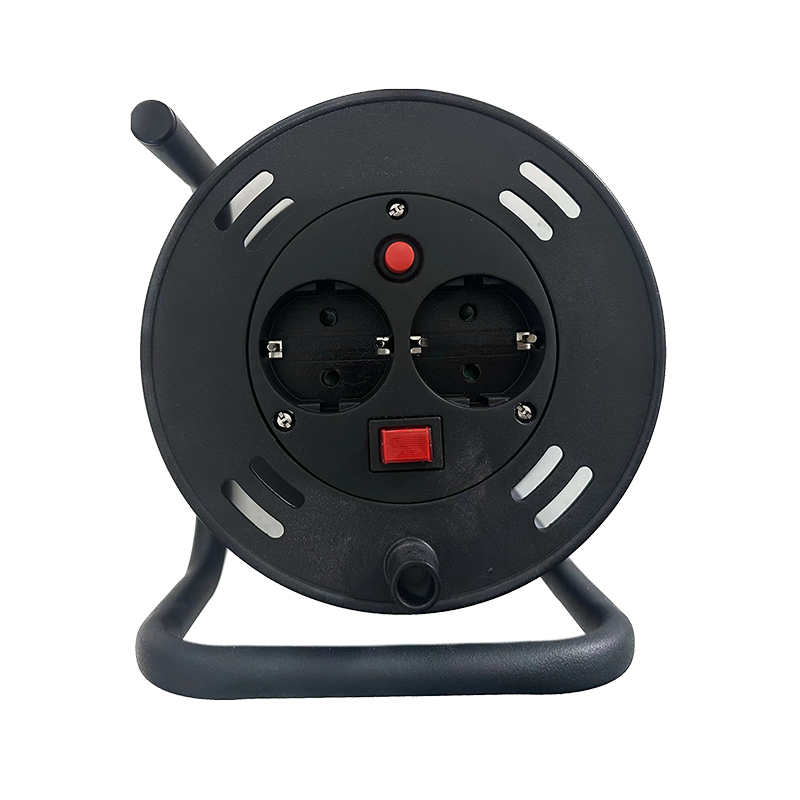
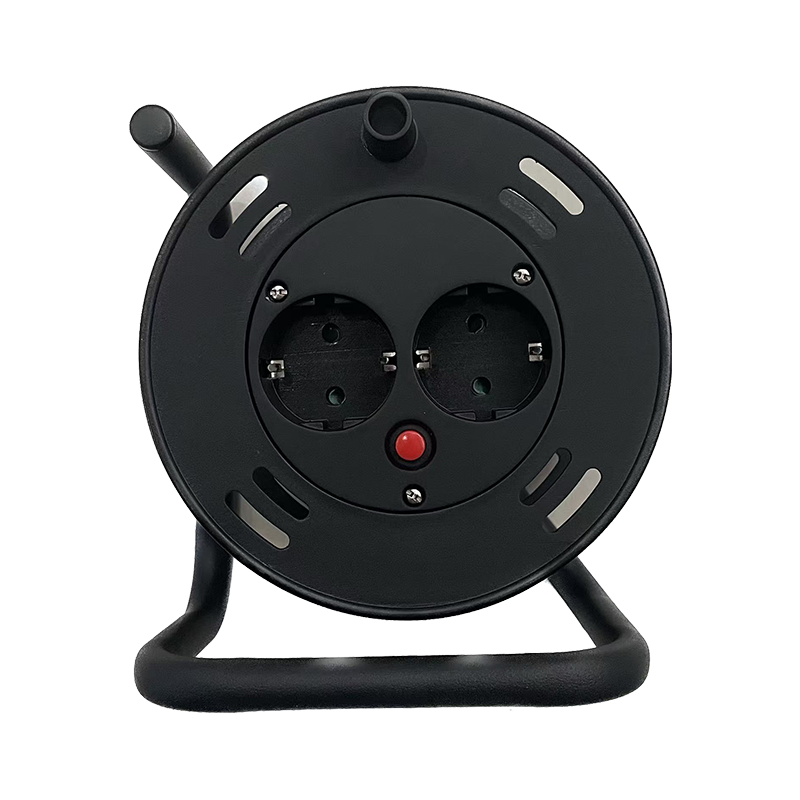
How to solve the problem of heat accumulation in indoor cable reel
Causes of Heat Buildup
Indoor cable reels carry current during operation, and conductor resistance causes energy to be released as heat. When cables are not fully unwound, the cable windings are tightly packed, limiting heat dissipation space and preventing timely heat dissipation, leading to heat buildup. The insulation layer on the cable surface gradually ages under high temperatures, reducing its mechanical strength and posing a risk of breakdown with long-term use. A closed reel casing further exacerbates internal heat accumulation.
Relationship between Current Load and Temperature Rise
Heat buildup is directly proportional to current intensity. When operating within the rated current, cable temperatures generally remain within a safe range. However, when operating at near-rated load for extended periods or experiencing overload, cable temperatures can rise significantly. The permissible temperature rise range varies for cables of different diameters and materials. Thinner conductor cross-sections are more susceptible to severe heat buildup under high loads.
The Impact of Reeling Condition on Heat Dissipation
When cable reels are partially or completely unwound, the cables are stacked layer by layer, obstructing the heat dissipation path. This limits the surface area and significantly reduces heat dissipation efficiency. In contrast, when the cable is fully unwound, the conductors are fully exposed to the air, improving heat dissipation and reducing heat buildup. Therefore, the design and use of cable reels must consider the impact of the winding state on temperature distribution.
Application of Thermal Protective Devices
To prevent safety issues caused by heat buildup, many high-quality indoor cable reels have built-in thermal protectors. These devices are typically integrated into the cable reel's circuitry. When the temperature exceeds a set threshold, they automatically cut off power to prevent further temperature rise. Common protective components include bimetallic thermal protectors and thermal fuses. Bimetallic thermal protectors can be restored after cooling, while thermal fuses require replacement.
Material Selection and Conductor Optimization
Cable conductor material has a direct impact on heat buildup. High-quality copper conductors, with their low resistivity, generate less heat and reduce temperature rise. Some high-end products use tinned copper wire or special alloy wire to further reduce resistance and improve oxidation resistance. Cable insulation should be made of high-temperature-resistant materials, such as cross-linked polyethylene or flame-retardant polyvinyl chloride, to maintain stable performance under high-temperature conditions and slow aging.
Optimizing Heat Dissipation in Reel Structural Design
The structure of the reel housing directly impacts heat dissipation. Ventilation holes enhance air convection and promote heat exchange. Metal housings have better thermal conductivity than plastic housings, accelerating heat transfer and dissipation. In industrial applications, some cable reels incorporate heat sinks, tightly integrating the cable windings with the housing and leveraging the housing's heat dissipation capabilities to reduce internal temperatures.
Matching Cable Length and Cross-Sectional Area
Excessive cable length increases resistance and, consequently, heat generation. Properly matching cable length and cross-sectional area can effectively control temperature rise. For example, for a 16A current, a 1.5mm² conductor cross-sectional area is suitable for shorter cables, while a longer cable requires a 2.5mm² conductor to ensure temperatures remain within safe limits. Manufacturers carefully calculate power ratings and cable lengths when designing their products.
Intelligent Monitoring and Temperature Warnings
With the development of intelligent electrical products, some indoor cable reels are integrating temperature sensors and real-time monitoring modules. When the internal temperature exceeds a set value, the system can issue an alarm, prompting the user to take action to prevent malfunctions caused by heat buildup. This intelligent monitoring solution is particularly valuable in high-load scenarios such as data centers and laboratories.
Standards and Testing Requirements
International standards clearly define requirements for controlling heat buildup in cable reels. Both IEC 60884 and EN 61242 specify temperature rise limits for cable reels under rated load. Manufacturers must undergo type testing, including full-load operation tests, partial cable payout tests, and extended operation tests, to ensure that product temperatures under various operating conditions remain within the specified range.