

 Language
 русский
 中文简体
 Español


What are the common faults in assemble socket
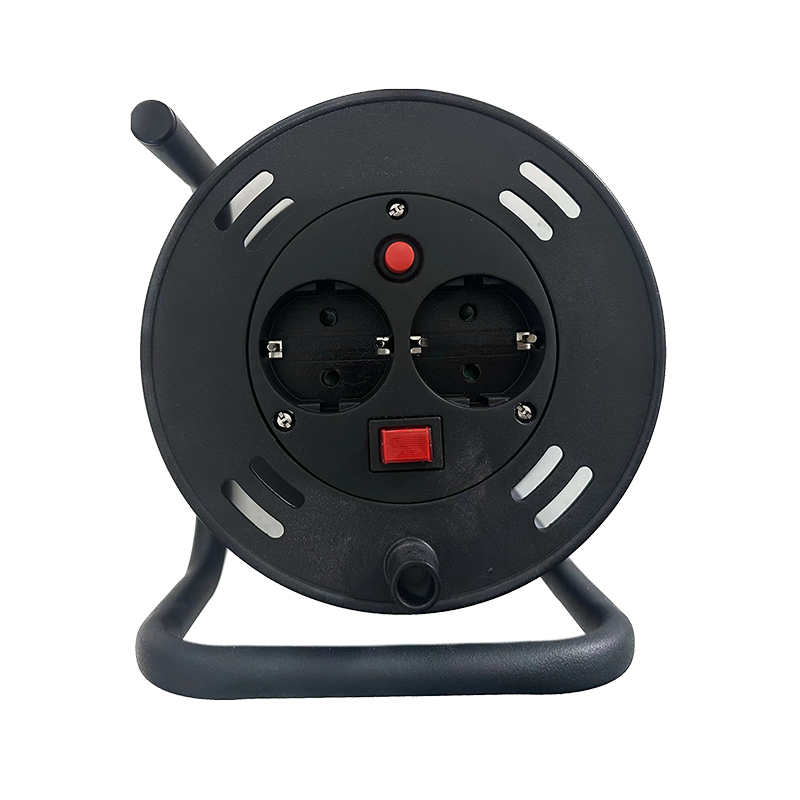
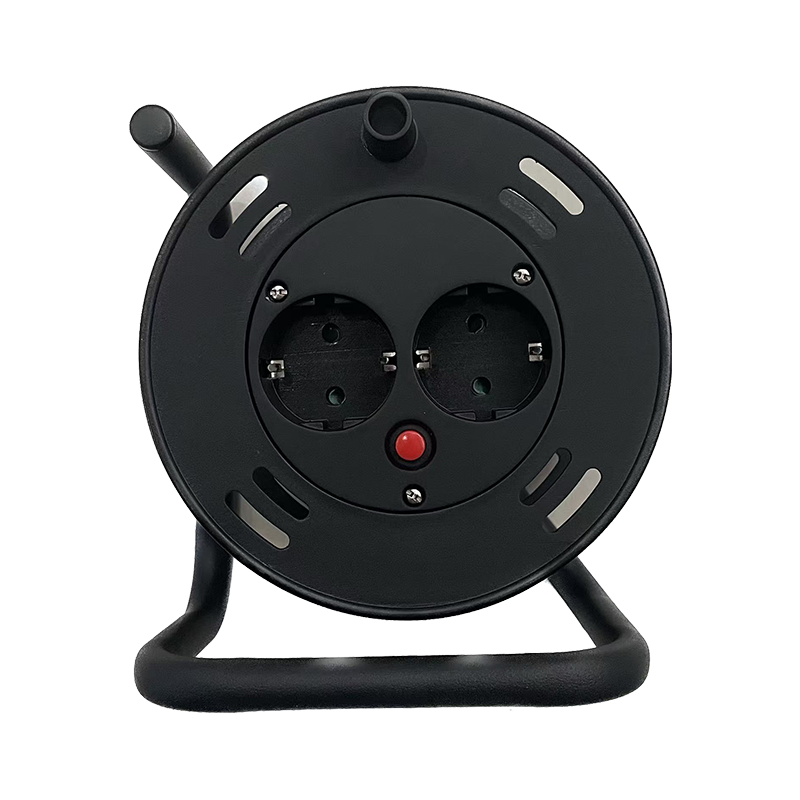
In modern electrical equipment, Assemble Socket is an essential connecting component and is widely used in home, industrial and commercial fields. Although multiple safety and stability have been taken into account in its design and manufacturing process, the socket may still have some failures as the use time increases and the external environment changes. If these failures are not handled in time, they may affect the normal operation of the equipment and even endanger safety. Therefore, understanding common failures and their causes can help users take timely measures to avoid more serious problems.
Poor socket contact
Poor contact is one of the most common socket failures, usually manifested as a plug that cannot supply stable power when plugged into the socket, or the current is unstable. The main causes of poor contact include:
The plug and the socket socket do not match: The contact area between the pins of the plug and the socket socket is insufficient, resulting in the current not being able to pass stably.
Oxidation or wear of contact sheets in sockets: With long-term use, metal contact sheets in sockets may oxidize, reducing conductivity and causing poor contact.
Loose or disconnection of wires inside the socket: The wires in the socket are not connected firmly, resulting in poor current flow.
In response to poor contact problems, Assemble Socket usually uses high-quality copper or silver-plated copper materials to ensure good conductivity and wear resistance. At the same time, the contact points of the socket adopt a high-precision manufacturing process, which can reduce the contact resistance between the plug and the socket and improve the stability of use.
Overheating fault
Overheating failures mainly occur when high-power electrical appliances are used for a long time. The socket has too much current or the current lasts too long, causing the internal conductor or contact sheet to be too high, which causes overheating. Overheating not only affects the normal operation of the equipment, but may also lead to electrical fires. The main reasons for overheating include:
Current overload: When the socket load exceeds its rated current, it is easy to cause overheating.
Poor heat dissipation of sockets: Some inferior sockets lack effective heat dissipation systems in their design, resulting in the temperature rising too quickly after long-term work.
Assemble Socket uses high temperature resistant materials and advanced heat dissipation design. Its shell is usually made of high temperature resistant plastic materials, which can effectively avoid overheating. In addition, the socket is equipped with an overload protection device. Once the current exceeds the rated value, the socket will automatically disconnect the circuit to prevent overheating and damage.
Voltage fluctuation fault
Voltage fluctuations are another common fault, which usually manifests as the equipment cannot start or work normally, or flickering, power outage, etc. during operation of electrical equipment. Reasons for voltage fluctuations usually include:
Unstable power supply: The voltage fluctuates due to unstable grid voltage or excessive load.
The internal voltage regulation function of the socket is invalid: Some low-quality sockets lack effective voltage stabilizers and cannot output voltage smoothly.
When designing Assemble Socket, special attention is paid to voltage regulation and stability, and is usually equipped with a voltage stabilizing chip and voltage protection device. When the voltage fluctuates, the socket can be adjusted in time to keep the voltage within the safe range, thereby ensuring the normal operation of the equipment.
Electrical short circuit fault
Electrical short circuit is a very serious fault, which can cause damage to sockets or electrical equipment, and even cause fires. Short circuits usually occur for the following reasons:
Poor or bare wire contact: When the wire inside the socket is damaged or poorly contacted, it may cause a short circuit in current.
Aging or damage to the socket: During long-term use, the socket's shell may have cracks or damage, resulting in the exposure of the internal metal parts, resulting in a short circuit.
Moisture intrusion causes short circuit: If the socket is used in a humid environment, moisture infiltration may cause short circuit.
Assemble Socket uses high-quality insulation and waterproof design to effectively avoid moisture intrusion. The wire connectors inside the socket are soldered and locked to effectively avoid short circuits caused by loose wires. In addition, sockets are usually equipped with automatic power-off devices. Once a short circuit is detected, the system will immediately cut off the current flow, protecting the safety of users and equipment.
Current leakage fault
Current leakage refers to the current that does not flow through the normal channel and may flow to the ground terminal or other parts that should not have current. Failure of current leakage usually leads to instability or electric shock hazards in electrical equipment. Causes of the leak include:
Poor grounding: If the socket's grounding system is improperly designed, or the grounding terminal is loose, the current may not flow effectively through the ground wire.
Damage to the socket housing: Damage to the socket housing causes exposure of internal electrical components, increasing the risk of current leakage.
To prevent current leakage, Assemble Socket adopts strict grounding protection measures during design to ensure that each socket has good grounding terminals and is finely plated to enhance the grounding effect. At the same time, the socket housing is usually made of voltage-resistant and electric shock-proof materials to effectively avoid safety hazards caused by current leakage.
External damage and wear
As the use time increases, the outside of the socket may wear, crack or deform the shell due to frequent plugging, impact or other external factors. Although this fault does not directly affect the stability of the current and voltage, it will cause the socket to lose its protection function and increase the risk of electrical accidents.
To solve this problem, Assemble Socket uses a high-strength plastic shell that has the characteristics of resistance to impact and wear. The design of the shell should not only ensure aesthetics, but also enhance the durability of the structure and prevent damage caused by external forces.