

 Language
 русский
 中文简体
 Español


What Are the Different Types of Industrial Sockets and Their Specific Applications
1. AC Industrial Sockets
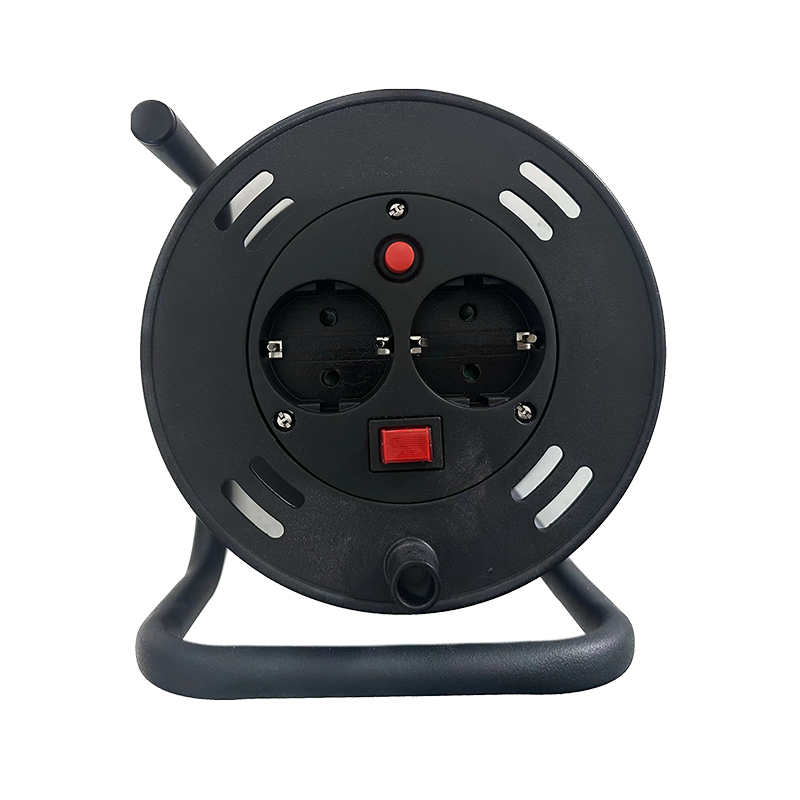
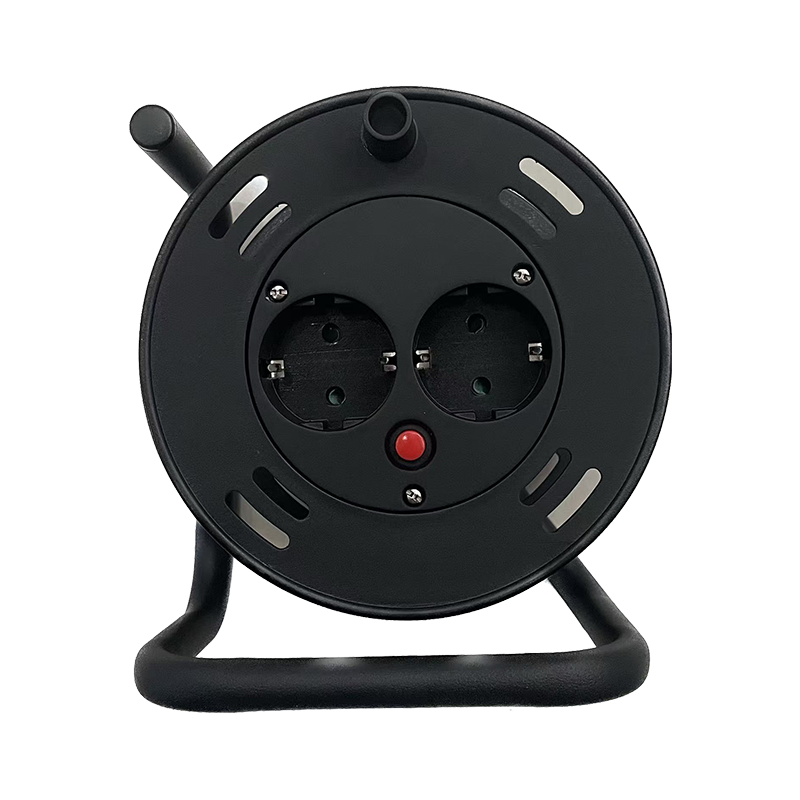
AC industrial sockets are widely used in most factory and manufacturing environments. These sockets provide AC power to various electrical devices. Common types of AC industrial sockets have different rated currents, such as 16A, 32A, and 63A, suitable for equipment with varying power requirements. AC sockets are commonly used in electric motors, welding machines, and lighting systems.
2. DC Industrial Sockets
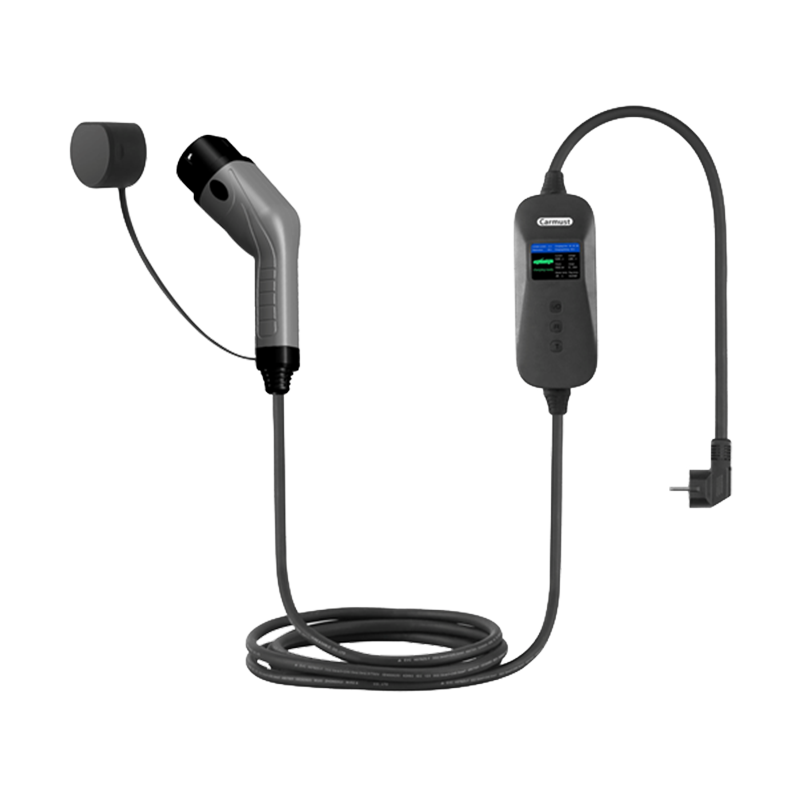
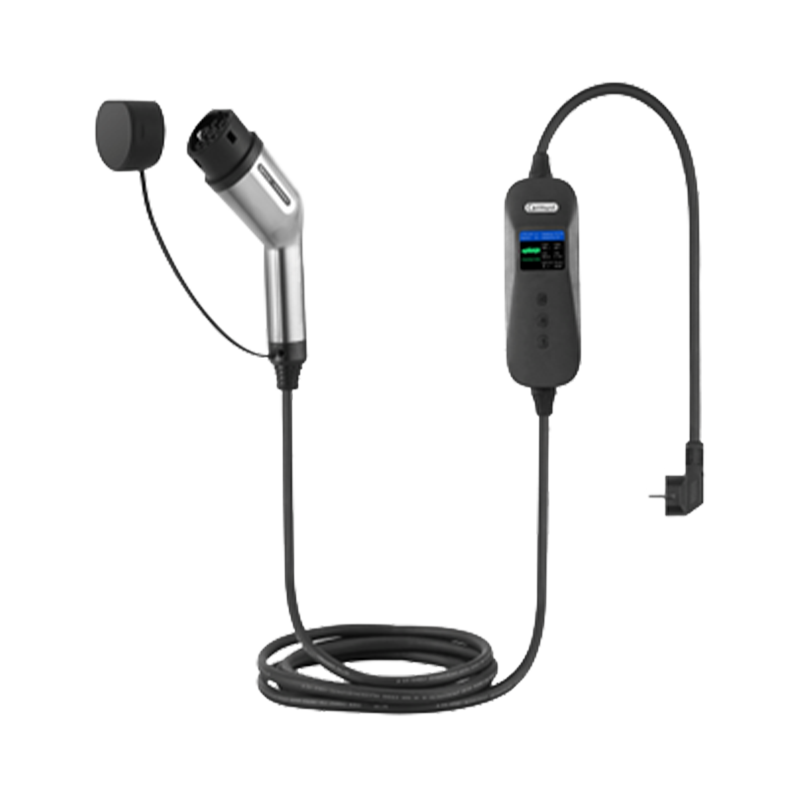
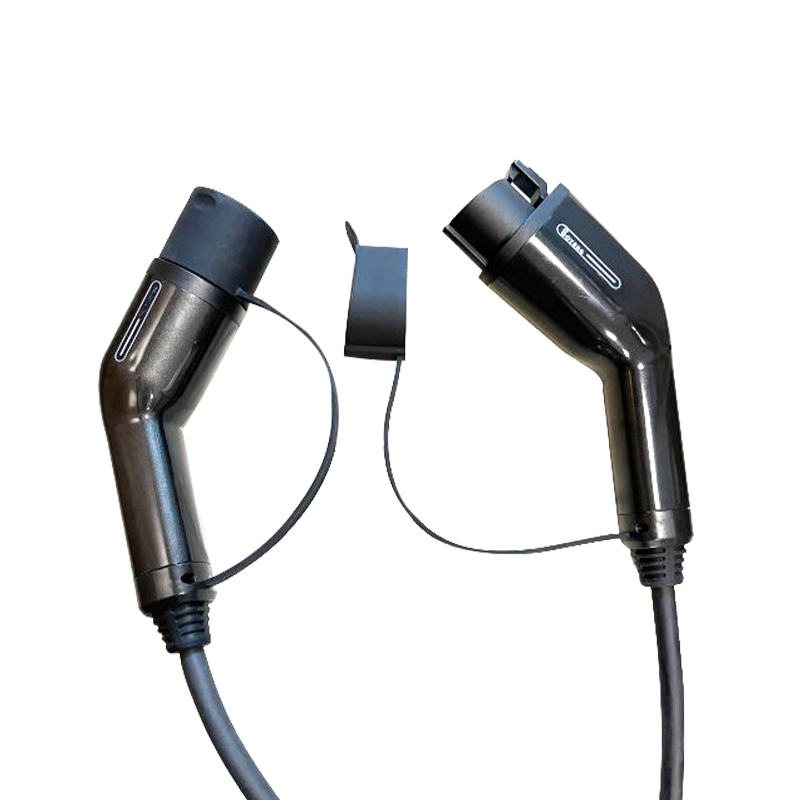
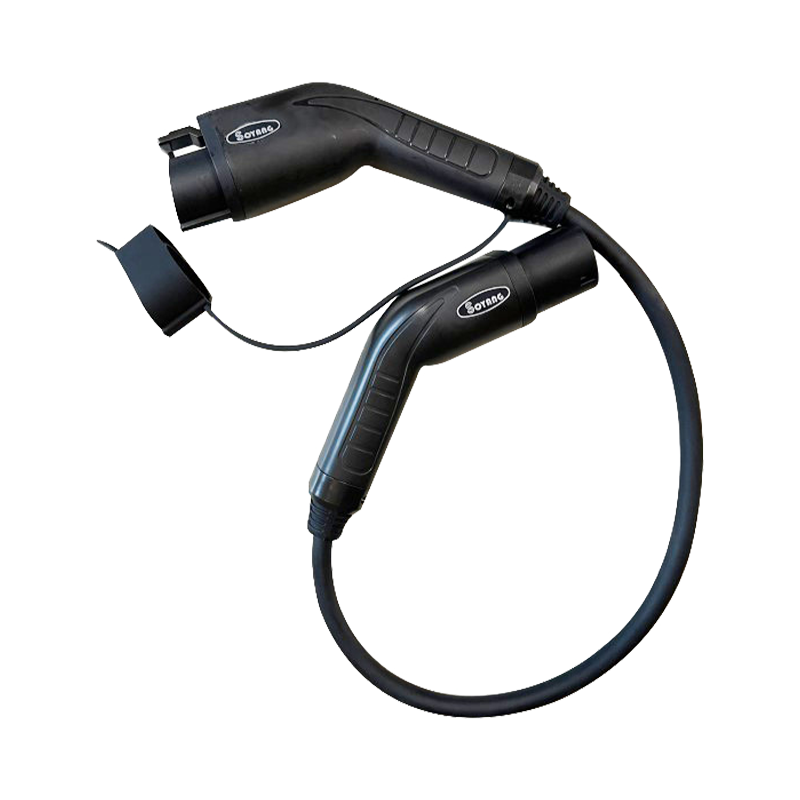
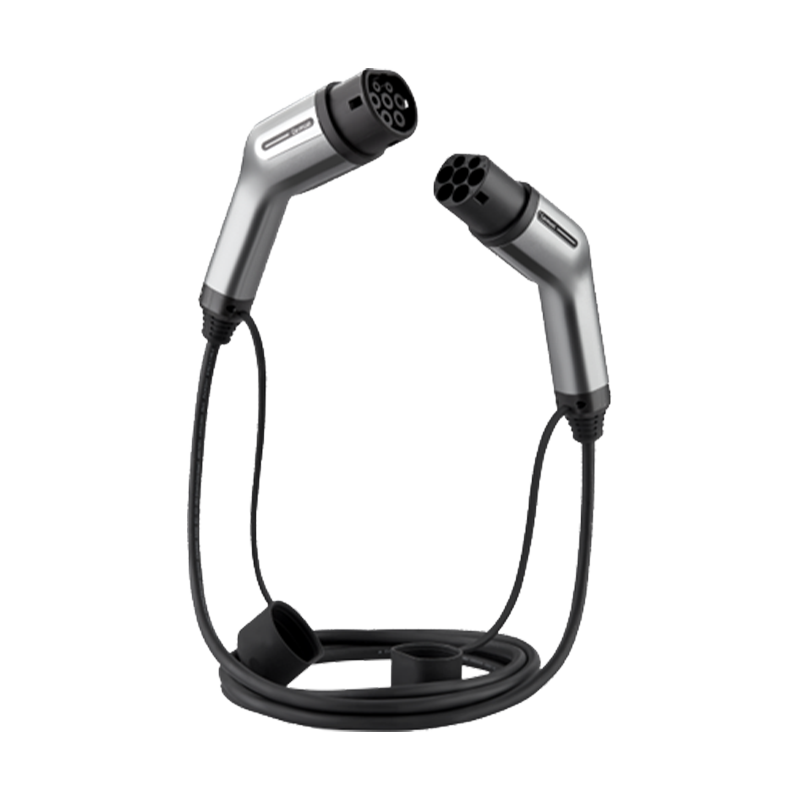
DC industrial sockets are used for connecting DC power sources, especially in power, communication, and renewable energy sectors. For example, solar panel systems, wind power generation systems, and electric vehicle charging equipment require DC sockets. The primary difference between DC and AC sockets is the direction of the current, with DC sockets designed for higher insulation to prevent arcing and leakage.
3. Waterproof Industrial Sockets
Waterproof industrial sockets have a high protection level and are typically used for electrical connections in outdoor or damp environments. These sockets comply with IP44, IP55, and other protection standards, preventing the ingress of water and dust to ensure the normal operation of electrical systems. Common applications include construction sites, port facilities, and offshore platforms.
4. High Voltage Industrial Sockets
High voltage industrial sockets are designed for high-voltage current, typically used in heavy machinery or power transmission systems. These sockets must offer excellent insulation and withstand high voltage. They are commonly used in power stations, metallurgical plants, and large industrial facilities where high voltage is necessary.
5. Explosion-Proof Industrial Sockets
Explosion-proof industrial sockets are used in hazardous environments to prevent accidents caused by electrical faults. These sockets are designed to suppress electrical sparks and high temperatures, commonly found in industries such as petrochemicals, mining, and oilfields. Explosion-proof sockets are sealed with special materials to maintain stable electrical connections in harsh conditions.
6. Quick Connect Industrial Sockets
Quick connect industrial sockets are widely used in environments where frequent disconnections and reconnections are required. These sockets are designed for rapid connection and disconnection, minimizing downtime. They are commonly used in laboratories, automated production lines, and emergency response systems.
7. Smart Industrial Sockets
With the advancement of IoT technology, smart industrial sockets are entering the industrial sector. These sockets offer remote control, data monitoring, and automated management functions, allowing real-time monitoring of electrical systems and timely fault diagnostics. Smart sockets are increasingly important in smart factories, energy management, and equipment maintenance.
8. Modular Industrial Sockets
Modular industrial sockets feature a replaceable module design, allowing users to flexibly configure electrical interfaces based on actual needs. These sockets are particularly useful in complex systems with multiple electrical requirements, enhancing installation and maintenance convenience. They are commonly found in robots, automated production lines, and large machinery.
9. Lightning Protection Industrial Sockets
Lightning protection industrial sockets are designed to prevent electrical damage caused by lightning, especially in areas with frequent thunderstorms. These sockets feature specialized lightning protection mechanisms to reduce voltage fluctuations and short circuits caused by lightning strikes. Lightning protection sockets are widely used in power equipment, communication towers, and surveillance systems.
10. Data Transmission Industrial Sockets
Data transmission industrial sockets are used in scenarios requiring high-speed data transfer, such as industrial computers, networking devices, and automation control systems. These sockets are designed to support high-speed signal transmission and multiple data protocols. The stability and speed of data transmission are critical in their application.