

 Language
 русский
 中文简体
 Español


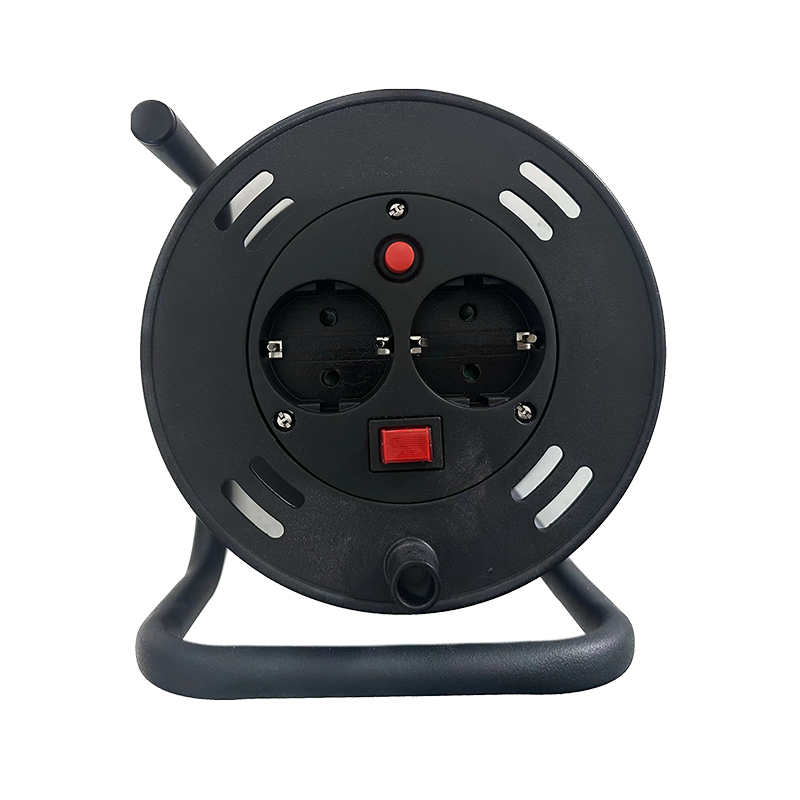
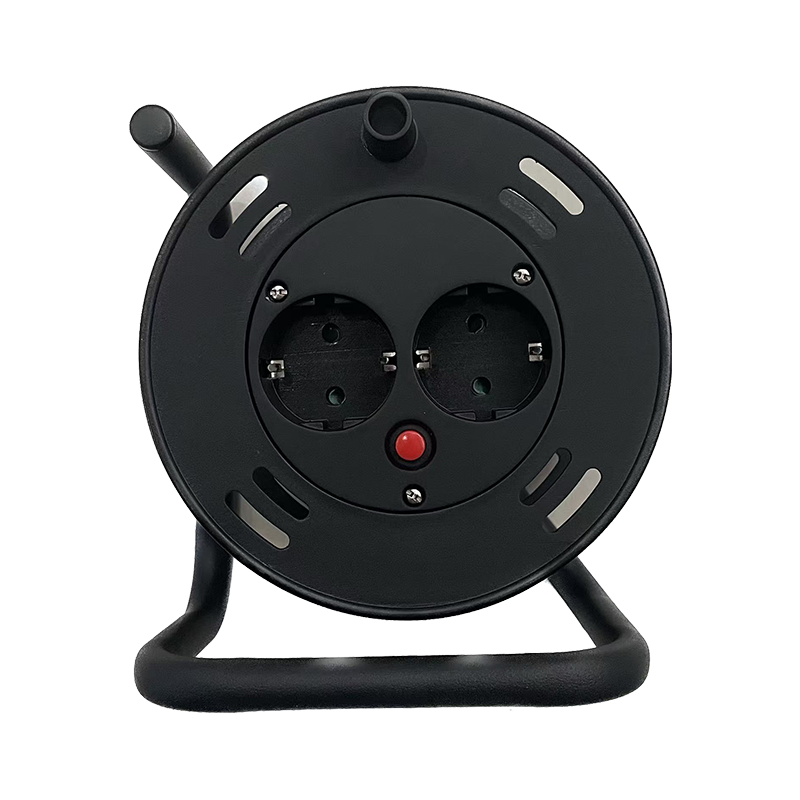
What should be paid attention to when using industrial sockets in humid environments
Industrial sockets are widely used in various environments, including factories, warehouses, and outdoor operations, particularly humid environments. Humid environments can significantly impact the safety and performance of industrial sockets. Proper selection and use of industrial sockets is crucial for ensuring stable equipment operation and personnel safety.
Selecting an IP Rating
The IP rating (IP rating) is a key indicator of an industrial socket's dust and water resistance. For humid environments, industrial sockets with a higher IP rating are essential. It's generally recommended to choose products with at least IP44 rating, while IP54 and IP65 ratings are more suitable for locations exposed to long-term moisture, rain, and even submersion. The first digit in the IP rating represents dust resistance, while the second digit represents water resistance. High-rated products effectively prevent water droplets, spray, or water from entering the socket, preventing electrical shorts and corrosion.
Adaptability of Materials and Structural Design
Humid environments place higher demands on the corrosion resistance of materials. Industrial socket housings are typically made of corrosion-resistant engineering plastics or metals. Plastic housings should be made of high-strength, UV-resistant, and age-resistant materials to prevent cracking or deformation caused by environmental degradation. The metal housing must be treated with a rust-proof coating, typically stainless steel or spray-coated. The pins are typically nickel- or copper-plated to prevent oxidation and improve conductivity.
In terms of structural design, the socket should feature a waterproof seal and a sealing cover to prevent moisture and dust from entering. The seal is typically made of oil-, acid-, and alkali-resistant rubber or silicone to ensure a stable seal even after extended use. The sealing cover should be conveniently designed for easy operation while ensuring a tight seal.
Proper Planning of the Installation Environment and Method
When installing industrial sockets in humid environments, the site selection and installation method must be rational. Avoid installing the socket in areas exposed to direct rain or prone to water accumulation. If installation is unavoidable outdoors or in a humid workshop, choose a waterproof cover or protective box for secondary protection.
The installation height should be above ground level to prevent short circuits. The socket connection cable should use waterproof and oil-resistant sheathed cable, and the wiring should be routed to avoid water accumulation and mechanical damage. Waterproof connectors should be used at the connection points to ensure a tight seal at the cable interface.
Grounding and leakage protection devices
Humid environments increase the risk of leakage, so industrial sockets must be strictly grounded. The grounding system must comply with national electrical safety regulations, ensuring a sufficiently low resistance between the equipment and ground to effectively conduct leakage current. A residual current device (RCD) should be installed on site to quickly disconnect power in the event of a leakage, protecting personnel.
The leakage protection device's sensitivity should be regularly tested to ensure timely activation in the event of a leakage. By combining the industrial socket's protection level with its environmental characteristics, the overall safety of the electrical system is improved.
Regular maintenance and inspection
Humid environments affect the lifespan of industrial sockets, requiring regular maintenance. This includes cleaning dust and dirt from the socket housing and jack, inspecting the integrity and elasticity of the sealing ring, and promptly replacing any signs of aging or cracking.
Regularly test the socket's insulation resistance and grounding resistance to determine if moisture has intruded or if electrical performance has degraded. Check the pin connections for tightness to prevent loose connections that can cause overheating and poor contact. Maintenance is generally recommended every six months, but this interval can be shortened under special circumstances.
Operating Standards and Personnel Training
When using industrial sockets in humid environments, operators must possess basic electrical safety knowledge. Avoid inserting or removing plugs with wet hands. Inspect the socket for damage or cracks before use. Unauthorized disassembly or modification of socket equipment is prohibited.
Companies should provide professional training to relevant personnel, clarifying operating standards and emergency procedures. This ensures that power can be quickly shut off and safety measures implemented in the event of an incident to prevent further damage.