

 Language
 русский
 中文简体
 Español

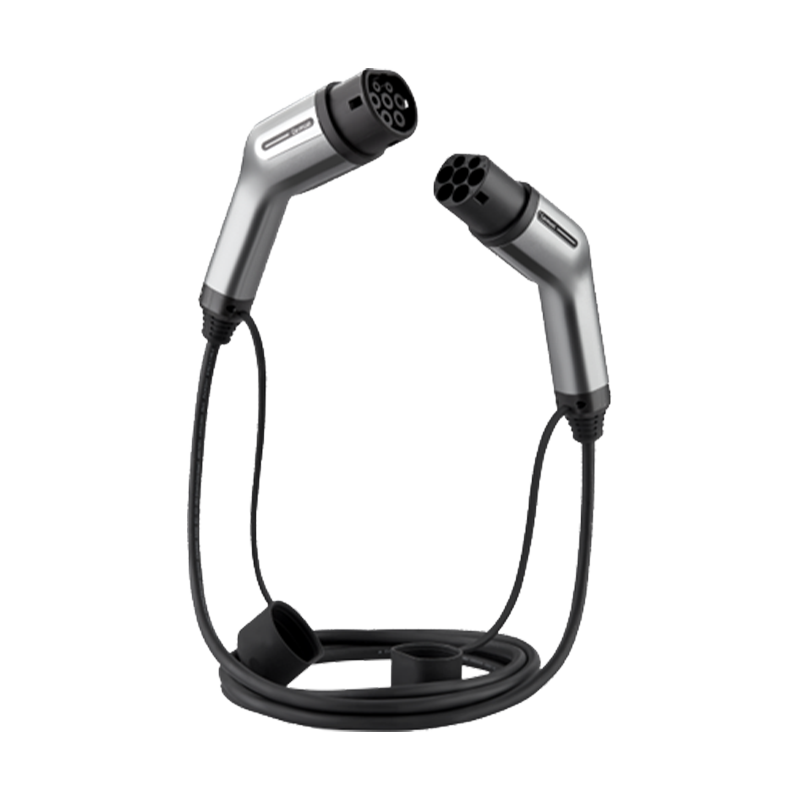
What type of polymer is typically used for the housing of waterproof insulated sockets
Principles Guiding High-Performance Housing Material Selection
The external housing of a waterproof insulated socket is critical, serving as the primary barrier between the internal electrical components and the environment. Material selection is paramount, extending beyond mere aesthetics and mechanical durability to directly influencing the product's Ingress Protection (IP Rating), electrical safety performance, and overall service life. Professional material specification must adhere to stringent criteria, encompassing superior mechanical properties, excellent electrical insulation, high standards of flame retardancy, and robust resistance to environmental stressors. The core objective is to ensure reliable operation and comprehensive safety under complex conditions, including humidity, dust, and temperature extremes (both high and low).
Polycarbonate (PC): The Optimal Balance of Performance and Cost
Polycarbonate (PC) is one of the most common and widely utilized polymers for waterproof insulated socket housings.
Outstanding Impact Resistance and Rigidity
PC is renowned for its exceptional impact strength. This characteristic ensures the socket housing remains intact without fracturing when subjected to accidental impacts or drops, making it particularly suitable for high-risk environments such as construction sites, industrial manufacturing, and demanding outdoor applications. Its high rigidity and dimensional stability are vital for maintaining the precise fit between the housing and sealing components (like O-rings or gaskets), which is a key factor in achieving or even level water resistance.
Excellent Electrical Insulation Properties
As a high-grade engineering plastic, PC possesses a high dielectric strength and low dielectric loss. This allows it to effectively isolate live components, preventing leakage and short circuits, thereby meeting the stringent requirements for insulation safety in socket design.
UV Stability and Flame Retardancy
For outdoor applications, manufacturers typically specify UV Stabilized grades of PC. This modified polymer resists the yellowing, embrittlement, and degradation caused by prolonged exposure to sunlight. Furthermore, PC inherently exhibits a degree of self-extinguishing behavior. With the addition of flame retardant additives, it can readily meet the flame retardancy standard, significantly enhancing the product's fire safety.
Polyamide (PA6/PA66): Preferred for High Strength and Wear Resistance
Polyamide (PA), commonly known as Nylon, particularly grades and , is extensively adopted in heavy-duty or harsh environments due to its exceptional overall mechanical properties.
Superior Mechanical Strength and Abrasion Resistance
and offer extremely high tensile strength, flexural strength, and fatigue resistance. When a socket must withstand significant insertion/withdrawal forces, prolonged vibration, or frequent mechanical operation, a Nylon housing provides robust support. Its low coefficient of friction and excellent wear resistance are particularly beneficial for the socket's moving parts and latching mechanisms, thereby extending the mechanical lifespan of the product.
Heat and Chemical Resistance
has a relatively high heat distortion temperature, making it suitable for applications with significant ambient temperature variations. Furthermore, Nylon materials exhibit good resistance to a wide range of chemical solvents, oils, and fuels. This is an indispensable property in applications such as the automotive industry, marine manufacturing, and petrochemical processing. To further boost performance, Nylon is often reinforced with glass fiber (e.g., ), which enhances strength and heat resistance.
Polybutylene Terephthalate (PBT): Ensuring Dimensional Stability
Polybutylene Terephthalate (PBT) is another engineering plastic highly favored in the electrical connector industry.
Exceptional Dimensional Stability
The standout characteristics of are its low moisture absorption and excellent dimensional stability. This means that the housing and internal insulating components made from maintain their precise shape and dimensions regardless of fluctuations in environmental humidity. This stability is crucial for ensuring the precise alignment of the socket's internal contacts, which directly impacts connection reliability and the smoothness of the mating process.
High Electrical Insulation and Thermal Resistance
offers good insulation properties and high thermal resistance, allowing it to endure the heat generated by electrical loads over extended periods. It is easily flame-retardant modified, making it an ideal material for manufacturing the precise internal insulating structures required in high-demand industrial waterproof sockets.
Material Considerations and Trends for Special Environments
Solutions for Marine and Salt Spray Environments
In specialized environments such as marine, coastal, or areas subject to high salt spray corrosion, the housing material must possess the ultimate in weatherability and corrosion resistance. Modified polymers, such as special hydrolysis-resistant or high-grade fluoroplastics (like ) mixtures, are sometimes used for critical components. This ensures structural integrity and electrical performance are maintained despite long-term exposure to salt and moisture intrusion.
Ecology and Sustainability Development
With growing industry focus on sustainability, the adoption of recyclable polymers and bio-based plastics is becoming a significant trend. Manufacturers are exploring the use of recycled or other eco-friendly polymers, without compromising product performance, to meet global demands for green manufacturing. This requires material suppliers to provide innovative solutions with equivalent high weatherability and reliability within the context of the circular economy.