

 Language
 русский
 中文简体
 Español


Which Power Cable and Retractable Power Cord Are Best for Your Industrial Equipment
In complex industrial production and power distribution systems, efficient and stable power transmission is the core foundation for ensuring long-term equipment operation. From the installation of the fundamental Power cable to the AC power cord required for terminal equipment connection, and the Retractable power cord that enhances flexibility and safety in the workspace, the selection of each power connection component directly affects system performance and safety. This article provides an in-depth analysis of the structural characteristics, performance indicators, and application considerations of these critical components.
Technical Definition Differences Between Power cable and Power cord
Within power transmission architectures, Power cable and Power cord have similar functions but differ essentially in design intent and application scenarios.
Power cable usually refers to fixed power transmission lines intended for long-distance or high-load energy delivery. Its design focuses on current-carrying capacity and resistance to environmental interference, typically utilizing thick insulation jackets to withstand high temperatures, chemical corrosion, or mechanical pressure.
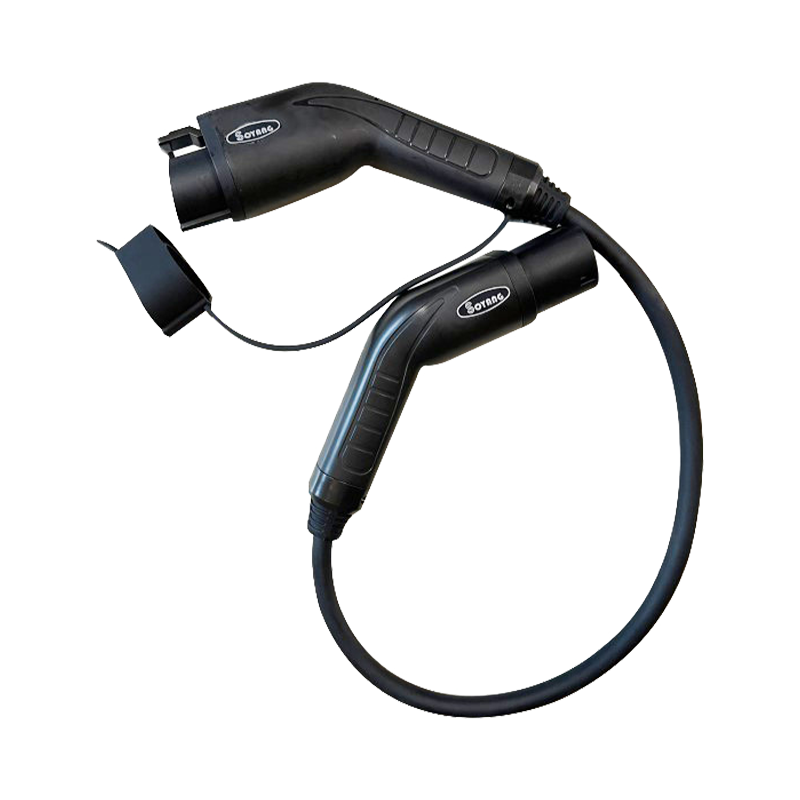
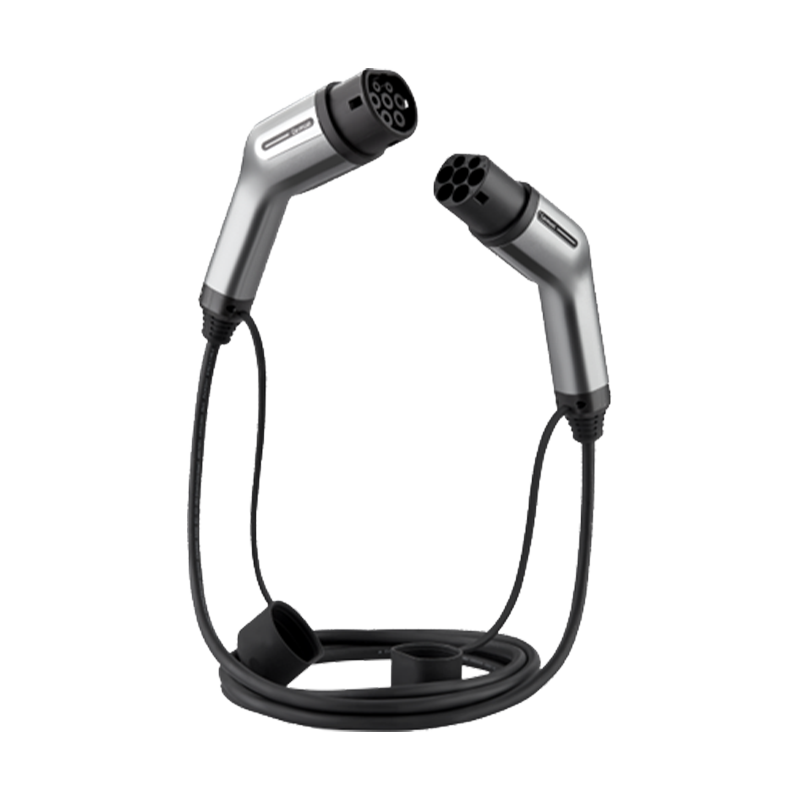
Power cord is primarily used for terminal connections of portable or mobile devices, with its core design logic centered on flexibility and connector standardization. The AC power cord, as the most typical configuration, utilizes standardized plugs and couplers to ensure that equipment can be quickly connected to the public power grid. Its internal conductors often use multi-strand copper wire to withstand frequent bending without experiencing metal fatigue failure.
Critical Performance Parameter Comparison
To ensure electrical safety and operational stability, the following critical parameters must be strictly compared and evaluated during the selection process:
| Key Parameter | Influencing Factors | Technical Considerations |
| Conductor Gauge (AWG) | Current capacity, voltage drop | The smaller the value, the thicker the wire diameter, capable of handling higher current and reducing heat generated by long-distance transmission. |
| Rated Voltage/Current | Insulation performance, thermal stability | Must be calculated based on the equipment's rated power; strictly prohibited from overloading to prevent insulation melting. |
| Jacket Material | Wear resistance, chemical stability | PVC is suitable for indoor use; PUR or rubber jackets are suitable for environments with oil resistance, abrasion resistance, and extreme temperature variations. |
| Insulation Grade | Electrical insulation strength | Determines the leakage protection level of the cable in different environments. |
Industrial Application Advantages of Retractable power cord
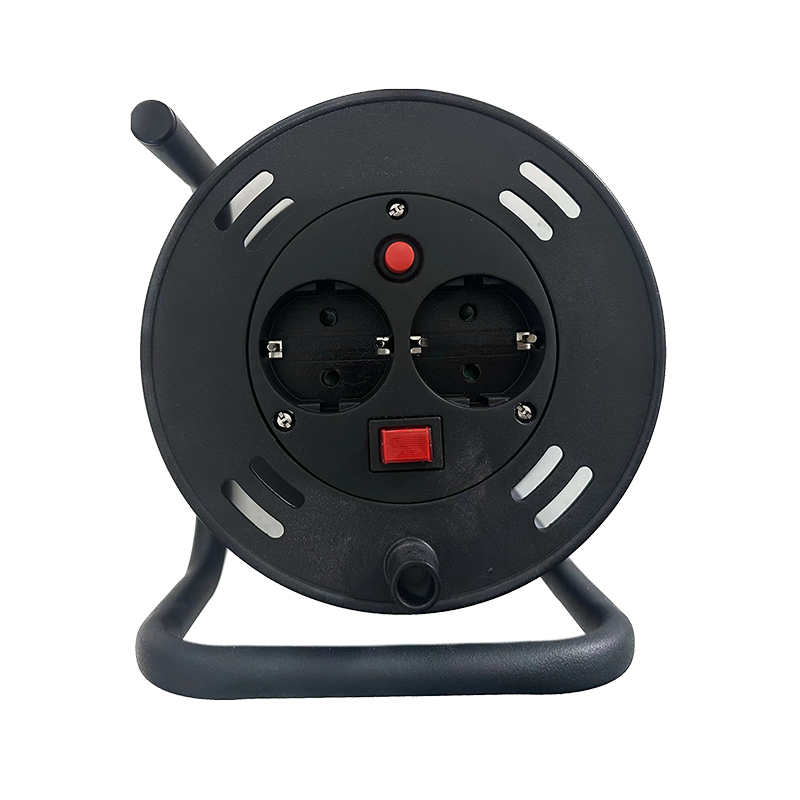
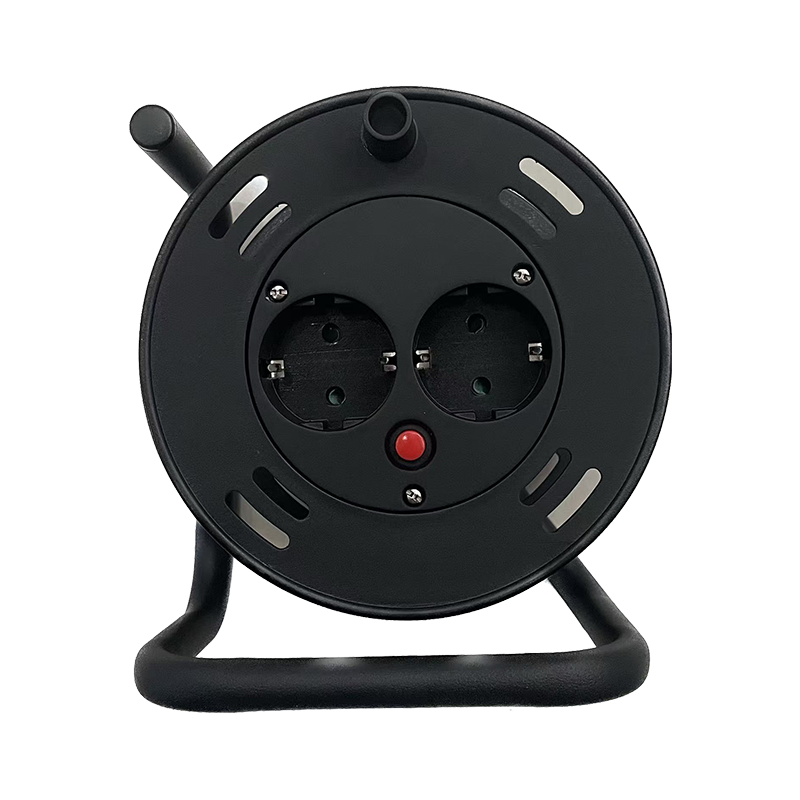
In automated production lines, mobile maintenance stations, and testing environments, the Retractable power cord solves the safety hazards and management difficulties caused by cable entanglement.
This reel-type design not only provides controllable extension length but also uses an internal spring-driven mechanism to ensure that the cable automatically retracts into the protective housing when not in use. From a technical perspective, this solution offers the following core advantages:
Reduction of Mechanical Stress: Through precise tension control, excessive stretching or dragging of the cable is avoided, effectively protecting the internal conductor structure.
Workspace Optimization: Eliminates messy cables dragged on the floor, reduces tripping risks for operators, and meets standardized safety management requirements for production areas.
Extended Service Life: Avoids long-term exposure of cables to dust, oil, or foot traffic, significantly reducing the frequency of unexpected damage.
Electrical Safety Guidelines During Selection
When handling power connections, following these technical principles can significantly improve system reliability:
Match Terminal Requirements: Check the power requirements (W) and voltage needs (V) on the equipment nameplate. Use the formula I = P / U to calculate the required rated current and choose connection components with a margin of at least 20 percent.
Environmental Adaptability Assessment: For industrial sites that are wet, dusty, or contain cutting fluids, Power cable or specialized AC power cord with corresponding IP protection ratings must be selected.
Conductor Material Selection: Copper conductors remain the first choice for critical power circuits due to their excellent conductivity and oxidation resistance. However, for low-load applications prioritizing light weight and low cost, trade-offs must be made based on specific load characteristics.
Structural Integrity Inspection: Regularly check for signs of overheating or discoloration at connection points. Since the connection ports of the Power cord are weak points where resistance is concentrated, ensuring tight plug contact is vital for preventing arc discharge.
By deeply understanding the physical characteristics and electrical performance parameters of these components, system layout efficiency can be optimized while ensuring the stability of power supply. The reliability of every connection point is the cornerstone of continuous industrial process operation.